

Types of SEO: A Complete Guide to Understanding How Ranking Works

Context
When we talk about SEO (Search Engine Optimization), it’s often assumed that simply “optimizing keywords” or “writing well” is enough to appear on Google.
However, the reality is far more complex: SEO consists of several types, each with a specific role in determining a website’s ranking.
In this article, we’ll guide you through the main categories of SEO and how they work together to improve online visibility.
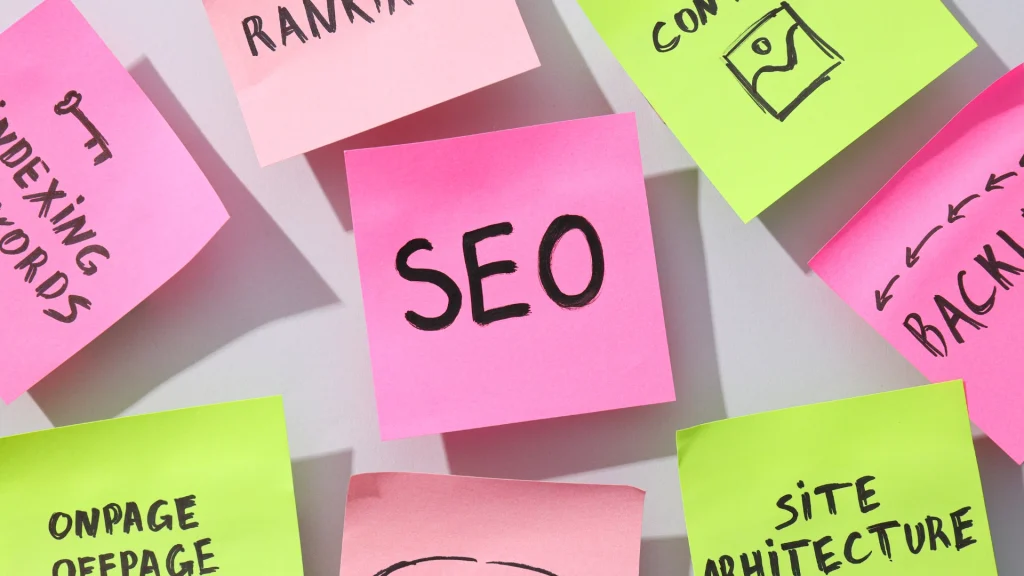
SEO On-Page (o On-Site)
On-Page SEO, also known as On-Site SEO, includes all the activities you can manage directly on your website’s pages.
It’s the most visible part of SEO work—focused on content, structure, and user experience—and it’s essential for helping Google (and your visitors) understand what each page is about.
The first step is to ensure that each piece of content has a well-written title tag and meta description. These are the first elements users see in search results, so they need to be both compelling and relevant to the page.
Keywords should be carefully selected and strategically placed throughout the text—naturally and without overstuffing—to ensure both readability and relevance.
The structure of the content also plays an important role: headings and subheadings (H1, H2, H3) help both readers navigate the page and search engines understand the hierarchy of information.
The visual aspect shouldn’t be overlooked either: images, for example, should be lightweight (to avoid slowing down the site), descriptively named, and accompanied by alt text that accurately describes their content.
Good on-page content is also well connected: internal links help guide users through the site and strengthen its overall structure.
And of course, at the heart of everything, there’s original and useful content—truly designed to address the needs and questions of your audience.
The goal of On-Page SEO is to make each page clear, useful, and easy to read—for both search engines and people.
When done well, it serves as a bridge between what users are looking for and what your website has to offer.
SEO Off-Page
Off-Page SEO refers to everything that happens outside your website but has a direct impact on your visibility in search engines.
While On-Page SEO is about building a solid and welcoming house, Off-Page SEO is about managing your reputation in the digital neighborhood.
The core of Off-Page SEO is link building: getting links from other authoritative websites is a powerful signal for Google, which sees these links as “votes of confidence.”
The more your site is mentioned by trustworthy sources, the more your online authority grows.
But it’s not just about links. Brand mentions, editorial collaborations, digital PR activities, and even social media interactions all contribute to building a positive perception of your project.
In summary, Off-Page SEO works to strengthen your credibility and increase your site’s exposure to the outside world. It is a game of networking, trust and digital relationships.
Technical SEO
Technical SEO is the often invisible part of SEO work, yet absolutely essential.
You could think of it as the foundation and infrastructure of your website—no one sees it, but without it, nothing would function properly.
This involves working on aspects such as page loading speed, proper mobile display, code structure, the organization of files like the XML sitemap and the robots.txt file, and the use of structured tags that help search engines interpret the content.
It’s thanks to Technical SEO that Google can efficiently crawl and index your pages.
Website security, ensured through the HTTPS protocol, also falls under this category: today, a secure site is an essential requirement for ranking—as well as for earning users’ trust.
Technical SEO ensures that your website is accessible, fast, and easily readable by Google, creating the ideal conditions for your content to shine.
Local SEO
If your business has a physical presence—such as a shop, an office, or a location open to the public—then Local SEO is the key to being found by the right people, at the right time, and near you.
Imagine someone searching for “florist in Biella” or “accountant near me”: if your site is optimized for Local SEO, you have a great chance of appearing in the results—complete with map, opening hours, and reviews.
The foundation of everything is your Google Business Profile (formerly Google My Business), which should be complete, up-to-date, and well-maintained.
Consistency of contact details (NAP: name, address, phone number) across all online directories also matters, along with careful review management and the use of geo-targeted keywords in your website content.
Local SEO helps you gain visibility in your area by capturing localized searches and increasing both physical and online visits.
E-commerce SEO
Running an e-commerce business is an exciting challenge, but it requires special attention to SEO.
Every product page, category, and filter can affect your ranking—for better or worse.
E-commerce SEO focuses on making your products visible in search engines, driving qualified traffic with a high intent to purchase.
This means writing original descriptions, optimizing titles and images, and creating clear and consistent URLs.
One of the most common challenges is the risk of duplicate content (due to product variations or filters). This is where technical solutions like canonical tags or optimized dynamic pages come into play.
Another crucial aspect is the implementation of rich snippets—those extra details that appear in search results, such as price, availability, and ratings.
E-commerce SEO helps turn your online catalog into a findable and appealing showcase, guiding users from search to purchase.
Conclusions
As you’ve seen, SEO isn’t just one thing—it’s a harmonious set of strategies working on multiple levels, each with its own purpose and specific techniques.
Expecting lasting results by focusing on just one part (like keywords or links alone) is like trying to build a house starting from the roof.
You need the technical foundations, the solid walls of content, and the external bridges of digital relationships.
Whether you manage a blog, a corporate website, or an e-commerce store, it’s essential to understand these types of SEO to know where you stand and where you can improve.
Only then can you plan an effective, targeted strategy that’s truly tailored to your goals.
And if you’re wondering where to start, the answer is simple:
You need an SEO Audit—a complete check-up of your website to identify strengths, critical issues, and new opportunities.
Do you want to boost your website?
Customized SEO Service
We support you in the analysis, optimization, and organic growth of your website with a tailor-made strategy designed to increase visibility and conversions.
AI Optimization Service (AIO)
We optimize your content to make it more understandable, effective, and discoverable—even by generative artificial intelligence, such as virtual assistants, chatbots, AI-based search engines, and emerging platforms.



